Green & Energy-Efficient Roofing Solutions for Residential and Commercial Properties
As environmental awareness grows and energy costs rise, green and energy-efficient roofing systems have become a top priority for property owners across both residential and commercial sectors. From cool roofs and solar panel installations to vegetative (green) roofing systems, modern roofing solutions are no longer just about protection—they’re about performance, sustainability, and long-term savings.
What Is Green Roofing?
Green roofing encompasses environmentally responsible systems designed to reduce energy consumption, manage stormwater runoff, and minimize a building’s carbon footprint. These solutions include cool roofing, green (vegetative) roofs, and solar-integrated systems, all tailored to improve efficiency and support environmental goals. The demand for such roofing options has grown steadily, especially in cities focused on meeting climate action targets.
Why Energy-Efficient Roofing Matters
Traditional roofing materials often absorb heat, increase indoor temperatures, and strain HVAC systems—particularly in warm climates. This inefficiency leads to higher energy consumption and inflated utility bills. In contrast, energy-efficient roofs reflect sunlight, reduce indoor heat gain, and enhance insulation. This benefits homeowners, businesses, and the environment alike.
1. Cool Roofing Systems for Energy Savings
Understanding Cool Roof Technology
Cool roofs are designed to reflect more sunlight and absorb less heat compared to standard roofing materials. Typically made from white or reflective coatings, single-ply membranes like TPO and PVC are common in both commercial and residential applications. These systems lower roof temperatures by up to 50°F, resulting in a noticeable drop in cooling demands during hot seasons.
Benefits of Cool Roof Installation
- Reduced energy bills through lower HVAC usage
- Extended roof lifespan due to less thermal stress
- Improved indoor comfort for occupants
- Helps mitigate the urban heat island effect
For commercial buildings, especially in densely developed areas, cool roofs offer immediate operational cost savings. Residential properties benefit as well by keeping attics and living spaces naturally cooler.
2. Green (Vegetative) Roofing Systems
What Are Green Roofs?
Green roofs, also known as living roofs or vegetative roofs, are systems that incorporate a waterproof membrane, root barrier, drainage layer, and soil to support plant growth on a rooftop. Popular in urban environments, these systems help regulate building temperatures and absorb rainwater.
Key Benefits of Green Roofing
- Excellent natural insulation, reducing heating and cooling needs
- Stormwater management through water absorption
- Extended roof lifespan by protecting materials from UV exposure
- Improved air quality and biodiversity
While installation costs can be higher than conventional systems, the long-term benefits—especially in cities with green building incentives—make vegetative roofs a smart investment. Additionally, their visual appeal can add value to commercial buildings or residential complexes.
Applications in Residential and Commercial Settings
In residential settings, green roofs offer a touch of nature in urban landscapes, ideal for homes with flat or low-slope roofs. Commercially, they are used on hospitals, office buildings, schools, and government facilities, often contributing LEED credits for sustainable design.
3. Solar Panel Integration with Roofing Systems
Solar Roofing for Clean Energy
Solar panels convert sunlight into electricity, making them a leading choice for sustainable roofing upgrades. When integrated properly, they can significantly offset a building’s power consumption. Residential and commercial property owners alike are taking advantage of tax credits, local incentives, and long-term savings.
Advantages of Solar Roofing
- Reduced reliance on grid electricity
- Eligibility for federal and state tax incentives
- Improved property resale value
- Net metering benefits in many states
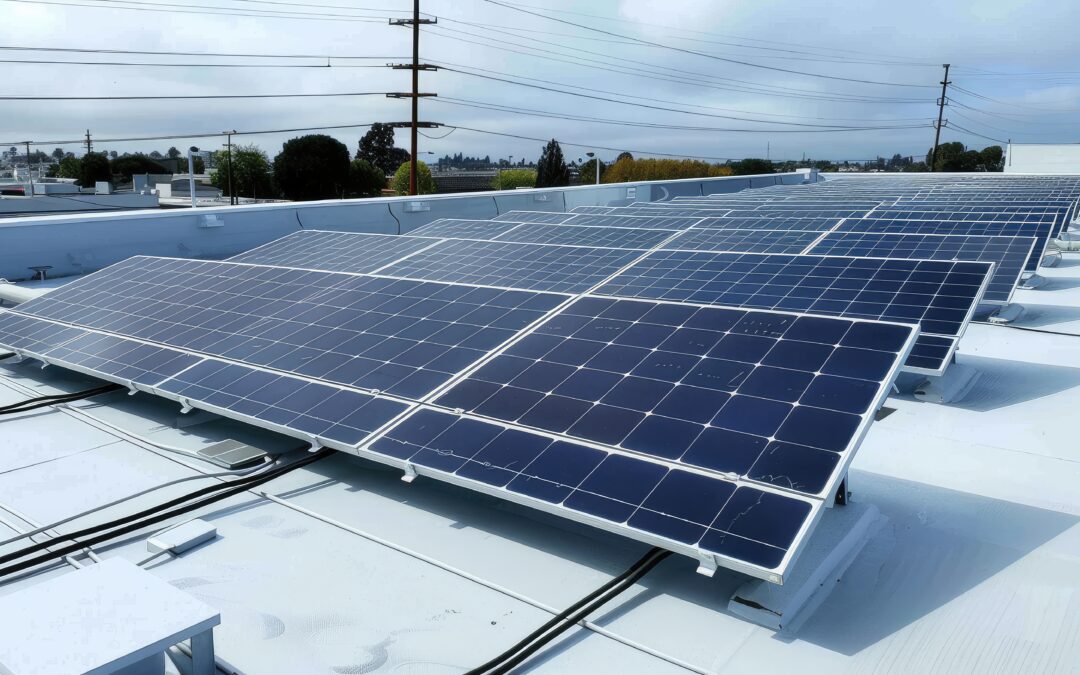
Solar panel systems are commonly installed alongside or integrated into flat roofs using ballasted racking systems or mounts. Specialty roofing contractors ensure structural readiness and waterproofing integrity during installation, especially in retrofitting projects.
Solar in Specialty Roofing Projects
Specialty applications include solar installations on green roofs, carports, and custom metal roofing systems. In commercial settings, solar roofing helps large facilities cut operating costs and meet sustainability benchmarks. For residential clients, solar roofing is often paired with energy storage systems to provide backup power during outages.
Why It Matters for Residential and Commercial Owners
Residential Roofing Benefits
For homeowners, energy-efficient roofing enhances comfort and reduces monthly utility bills. In warm climates, cool roofs and solar panels significantly decrease AC load. Over time, these savings can cover the cost of installation, especially when combined with rebates and local incentives.
Commercial Roofing Benefits
In commercial properties, energy-efficient roofing contributes to operational cost control, regulatory compliance, and corporate sustainability goals. Businesses benefit from:
- Lower utility expenses for large-scale facilities
- Eligibility for LEED certification and green building recognition
- Improved tenant satisfaction in retail or office spaces
- Enhanced public image through visible sustainability efforts
Choosing the Right Green Roofing Contractor
What to Look For
Not all roofing contractors are equipped to handle green and energy-efficient systems. Choose a provider with experience in cool roofing materials, vegetative roof design, and solar integration. Licensing, certifications (such as NABCEP for solar), and familiarity with energy codes are essential.
Local Knowledge Matters
A contractor familiar with local weather patterns, building codes, and utility rebate programs will offer better guidance and execution. For instance, in California, Title 24 energy standards make cool roofing and solar upgrades not just beneficial, but often required for certain projects.
A smart investment for a sustainable future lies with green and energy-efficient roofing solutions go far beyond aesthetics—they deliver performance, savings, and environmental impact. Whether you’re a homeowner looking to reduce energy costs or a business owner striving for sustainability compliance, investing in modern roofing systems offers long-term rewards.
From cool roofing membranes and solar integration to lush green rooftops, today’s roofing technologies are transforming buildings into high-efficiency structures. With the help of qualified professionals, property owners can choose systems tailored to their goals and enjoy the benefits for years to come.